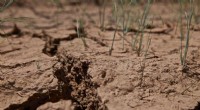
1. Erosion: Water is a powerful erosive agent - it can wear away and transport soil and sediment from the land surface. Erosion occurs when water flows over the land, picking up and carrying away loose particles of soil. Rainfall and runoff can cause sheet erosion, where a thin layer of soil is washed away uniformly, while concentrated runoff from streams and rivers can cause rill and gully erosion, where deep channels are carved into the land surface. Erosion is a natural process that is influenced by factors such as the amount and intensity of rainfall, soil characteristics, and vegetation cover. Excessive erosion can lead to soil degradation and loss of fertile land.
2. Deposition: Deposition occurs when flowing water loses energy and begins to deposit the sediment it is carrying. This happens when the velocity of the water decreases, often due to changes in slope or surface roughness. Deposition can form features such as deltas, alluvial fans, and sandbars. It can also occur in floodplains, where sediment-laden water overflows from rivers and spreads out over the surrounding land during floods. Deposition is important in building up landforms, creating new soil, and replenishing nutrients in the soil. However, excessive deposition can also have negative impacts, such as siltation of waterways and damage to infrastructure.