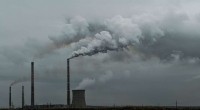
- Air: Essential for breathing and containing vital gases such as oxygen, nitrogen, and carbon dioxide.
- Water: Crucial for drinking, sustaining ecosystems, and various human activities, including agriculture and industrial processes.
- Sunlight: Provides energy for processes vital to life on Earth, such as photosynthesis in plants and heat generation.
- Soil: Essential for agriculture and plant growth, containing vital nutrients and supporting biodiversity.
- Minerals: Metallic and non-metallic substances found in the Earth's crust, vital for various industries, constructions, and manufacturing processes.
- Biological resources: Plants, animals, and microorganisms that have direct or indirect value to humans, e.g., sources of food, medicine, fuel, and ornamental purposes.
Preserving and sustainably managing natural resources is of utmost importance, as their depletion can result in environmental degradation, species extinction, resource scarcity, and various negative socio-economic impacts. Efforts towards environmental conservation aim to ensure the judicious use and replenishment of these essential resources for current and future generations