1. Temperature: Extreme temperatures can pose significant risks to climbers. High temperatures can lead to dehydration, heat exhaustion, and heat stroke, while low temperatures can cause hypothermia and frostbite. Climbers need to dress appropriately for the expected temperature range and be prepared to adjust their plans if conditions change.
2. Wind: Strong winds can make climbing dangerous by reducing visibility, increasing the risk of falling objects, and making it more difficult to maintain balance. Climbers need to be aware of the forecast wind speeds and directions and adjust their plans accordingly.
3. Precipitation: Rain, snow, and ice can all make climbing more challenging and dangerous. Wet or icy rocks can be slippery and difficult to grip, and precipitation can also reduce visibility. Climbers need to be prepared for the possibility of precipitation and have the necessary gear to stay dry and safe.
4. Lightning: Lightning is a serious hazard for climbers, as it can strike anywhere and cause severe injuries or death. Climbers need to be aware of the weather forecast and avoid climbing in areas where thunderstorms are expected.
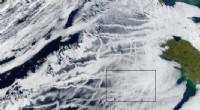
5. Cloud Cover: Cloud cover can affect the amount of sunlight available, which can impact the temperature, visibility, and overall climbing conditions. Climbers need to be prepared for changes in cloud cover and adjust their plans accordingly.
By carefully watching the weather, climbers can make informed decisions about when and where to climb, and take the necessary precautions to ensure their safety.