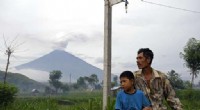
Volcanic eruptions release large amounts of ash, dust and gases into the atmosphere, including sulfur dioxide, carbon dioxide and nitrogen oxides. These emissions can have a number of negative effects on the atmosphere, including:
- Acid rain: Sulfur dioxide and nitrogen oxides react with water vapor in the atmosphere to form acids, which can fall to the ground as acid rain or snow. Acid rain can damage forests, lakes, rivers, and buildings.
- Climate change: Carbon dioxide is a greenhouse gas, which means it traps heat in the atmosphere. This can lead to climate change, which can have a wide range of negative effects, including more extreme weather events, rising sea levels, and the loss of biodiversity.
- Ozone depletion: Volcanic emissions can also destroy ozone, a gas that protects the Earth from ultraviolet radiation. Ozone depletion can lead to increased levels of UV radiation reaching the Earth's surface, which can cause skin cancer, cataracts, and other health problems.