1. Strong Winds: Tornadoes produce extremely high wind speeds, sometimes reaching hundreds of miles per hour. These winds exert a powerful force on objects in their path. The faster the wind speed, the greater the force it can exert.
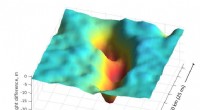
2. Low Air Pressure: At the center of a tornado, the air pressure is extremely low. This low-pressure area creates a pressure gradient, with higher air pressure outside the tornado and lower pressure inside. The difference in air pressure results in a force that pushes objects towards the center of the tornado.
3. Spinning Motion: Tornadoes rotate rapidly, creating a swirling vortex of air. As objects are lifted by the strong winds and low air pressure, they also experience the spinning motion of the tornado. This spinning motion further contributes to the lifting and displacement of objects.
4. Bernoulli Effect: The Bernoulli effect plays a role in the lifting of objects by tornadoes. According to this principle, as the wind speed increases, the air pressure decreases. This means that the air pressure is lower above an object than below it. The pressure difference creates an upward force that helps lift objects into the air.
5. Size and Shape of Objects: The size and shape of objects also influence their susceptibility to being picked up by tornadoes. Lightweight objects with a large surface area, such as sheets of plywood or metal roofing, are more likely to be lifted by the strong winds and low air pressure. On the other hand, heavier objects or those with a smaller surface area may be more resistant to being picked up.
It's important to note that the destructive power of tornadoes can vary greatly depending on their intensity, size, and the environment in which they occur. Some tornadoes may be capable of lifting heavy objects and causing extensive damage, while others may be weaker and cause less severe effects.