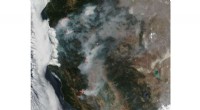
Fire: Prairies are adapted to frequent fires, which naturally prevent the establishment and growth of trees. Fires clear dead plant material, reducing fuel for future fires and promoting the growth of fire-resistant prairie grasses. Native American tribes often used controlled burns to manage prairies and reduce tree invasion.
Grazing: Large herbivores, such as bison, pronghorns, and elk, roamed the prairies and consumed young tree seedlings. Their grazing reduced tree establishment and maintained the open prairie landscape.
Soil conditions: Many prairies have well-drained soils that don't provide suitable conditions for tree growth. Trees prefer moist, nutrient-rich soils, while prairie soils are often drier and less fertile. The high frequency of fire further reduces the availability of nutrients in the soil, limiting tree growth.
Climate: Many prairies are located in regions with a continental climate, characterized by hot summers and cold winters. This climate can be stressful for trees, especially during the winter when freezing temperatures can damage sensitive tree tissues. Prairie grasses, on the other hand, are well-adapted to these conditions and thrive in both hot and cold seasons.
These factors acted in concert to maintain the treeless nature of native prairies before agriculture started. Once settlers arrived and began to suppress fires, reduce grazing, and convert prairies to farmland, trees were able to establish and spread, leading to the decline of the once vast prairie ecosystems.