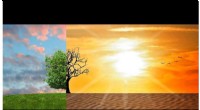
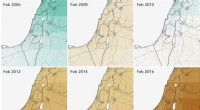
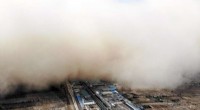
* Reduced biodiversity: Pollution can cause some species to die off, while others may thrive. This can lead to a reduction in the overall biodiversity of the ecosystem.
* Disruption of food webs: Pollution can also disrupt the food webs that exist within an ecosystem. This can happen when pollutants enter the bodies of animals and plants, or when they alter the availability of food resources.
* Changes in ecosystem structure: Pollution can also change the structure of an ecosystem. For example, it can cause forests to decline, or it can lead to the growth of harmful algae blooms in aquatic ecosystems.
* Negative impacts on human health: Pollution can also have negative impacts on human health. For example, it can cause respiratory problems, cancer, and other illnesses.
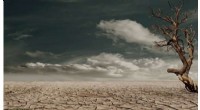
In some cases, pollution can even lead to the collapse of an entire ecosystem. This can happen when the pollution is so severe that it makes it impossible for any organisms to survive.
Here are some specific examples of how different types of pollution can affect ecosystems:
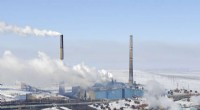
* Air pollution: Air pollution can cause respiratory problems in animals and plants. It can also damage crops and forests.
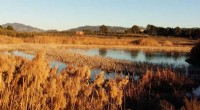
* Water pollution: Water pollution can contaminate drinking water and make it unsafe to drink. It can also harm aquatic animals and plants.
* Land pollution: Land pollution can contaminate soil and make it unsafe to grow food. It can also harm animals and plants that live on land.
Pollution is a serious threat to ecosystems around the world. It is important to take steps to reduce pollution in order to protect the environment and human health.