1. Plankton: Microscopic organisms like phytoplankton and zooplankton form the base of the food chain.
2. Nekton: These are free-swimming organisms like fish, dolphins, whales, and sea turtles.
3. Benthos: These organisms live on or near the bottom, including coral reefs, sea urchins, mollusks, and seaweeds.
4. Marine mammals: These warm-blooded animals include seals, sea lions, and whales.
5. Seabirds: Birds that depend on the ocean for food, such as gulls, pelicans, and albatrosses.
6. Decomposers: Bacteria and fungi that break down dead organic matter.
Saltwater Ecosystem Abiotic Factors:
1. Temperature: Varies with latitude, depth, and season, influencing species distribution.
2. Salinity: Determined by the concentration of dissolved salts, mainly sodium chloride.
3. Light: Availability of sunlight affects photosynthesis and the distribution of organisms.
4. Water depth: Affects pressure, sunlight penetration, and food availability at different depths.
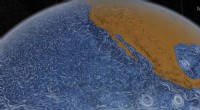
5. Currents: Transport nutrients, oxygen, and organisms, shaping the ecosystem structure.
6. Substrate: Type of bottom surface, such as sand, mud, or rock, influences the types of organisms that can attach and settle there.
7. pH and Oxygen Levels: Acidity or basicity and oxygen availability affect the survival of marine species.
8. Waves: Influence coastal processes, sediment transport, and availability of food for organisms.