Humans can disrupt the final stage of the above ecosystem in various ways, including:
* Overhunting and overfishing: Humans can hunt and fish animals at a rate that exceeds the population's ability to reproduce, leading to a decline in the number of animals available as food for decomposers.
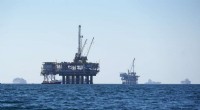
* Pollution: Humans can introduce pollutants into the environment, such as chemicals and plastics, that can harm decomposers and disrupt their ability to break down organic matter.
* Habitat loss: Humans can destroy the habitats of decomposers, such as forests and wetlands, which can lead to a decline in the number of decomposers available to break down organic matter.
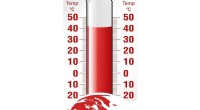
* Climate change: Humans can contribute to climate change, leading to changes in the temperature and humidity of the environment that can disrupt the activity of decomposers.
These are just a few of the ways that humans can disrupt the final stage of the above ecosystem. It is important to be aware of these potential disruptions so that we can take steps to mitigate their impact and protect this important ecosystem.