Interconnectedness of Ecosystem Components:
- Ecosystems consist of various components, including living organisms (biota) and their non-living environment (abiotic factors) that are intricately interconnected. Disruption of even a single component, like a species, can have ripple effects throughout the system.
Loss of Functioning Species:
- The damaged or destroyed part of the ecosystem may eliminate keystone or foundation species, those that play a critical role in shaping the entire ecosystem. Their loss disrupts the food web, energy flow, and nutrient cycling.
Disturbance of Energy Flow:
- Damaged ecosystems experience alterations in energy movement and capture. Photosynthesis, the primary energy source from plants, may be impacted, affecting organisms at higher trophic levels.
Changes in Species Populations:
- The disruption caused by damage can lead to changes in species populations. Some may thrive by outcompeting others. Overpopulation or depletion of certain species can further disrupt ecological balance.
Alterations in Nutrient Cycles:
- Altered nutrient cycling occurs as nutrient inputs and outputs change due to the disturbance. Excess or limited nutrients can harm the entire ecosystem.
Loss of Biodiversity:
- Habitat destruction and disturbance contribute to biodiversity loss. When species are depleted, the ecosystem's resilience and capacity to adapt to future changes are diminished.
Loss of Ecosystem Services:
- Ecosystem services like water purification, soil quality improvement, and food provision can be compromised due to damage. Human communities relying on these services suffer the consequences.
Cascading Effects:
- The direct impacts on one species or ecosystem component can spread to other interconnected species, leading to cascading effects that become difficult to predict and control.
Invasion by Non-Native Species:
- Ecological imbalances caused by damage create opportunities for non-native species to thrive, introducing new competitors and potential disease-causing organisms.
Long-Term Consequences:
- Damages can have lasting effects that continue for years or even decades. The recovery process for complex ecosystems is slow, and some alterations can become irreversible.
Examples:
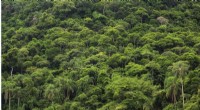
- Deforestation: Clearing forests disrupts habitats and causes imbalances in precipitation patterns, soil quality, carbon storage, and the survival of numerous species.
- Coral Reef Bleaching: Rising ocean temperatures and pollution lead to coral bleaching and subsequent loss of critical habitats for diverse marine life.
- Overfishing: Depleting specific fish species can disrupt the food chain and alter marine ecosystem dynamics.
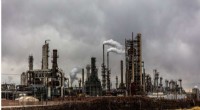
- Pollution: Contamination of water bodies, soil, or air impacts the entire ecosystem, including humans.
- Invasive Species: Introduction of non-native species can outcompete native ones and degrade ecosystems.
Understanding and minimizing damage to ecosystems are essential for maintaining ecological health, resilience, and the balance of life on Earth. Conservation and restoration efforts focus on mitigating these impacts and preserving ecosystem integrity.