1. Susceptibility to Pests and Diseases:
Radiata pine is susceptible to various pests and diseases. Some common pests include bark beetles, aphids, and scale insects, which can cause significant damage to the trees and reduce timber quality. Fungal diseases like Diplodia pinea (Diplodia shoot blight) and Dothistroma septosporum (Dothistroma needle blight) can also affect radiata pine plantations, leading to defoliation and reduced growth.
2. Short Lifespan:
Compared to some other timber species, radiata pine typically has a shorter lifespan. It is generally considered a rotation crop with a maturity age of around 25 to 40 years. This means that radiata pine plantations need to be regularly replanted, which can be labor-intensive and costly.
3. Weak Timber:
While radiata pine is widely used for construction and other purposes, it is generally considered a weaker timber compared to some hardwoods or other softwood species. It has a lower density and is prone to bending and warping if not properly treated or used in appropriate applications.
4. Fire Risk:
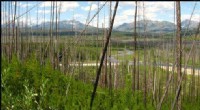
Radiata pine trees and forests are known to be highly flammable. The species produces resinous needles and bark, which can easily ignite and contribute to intense wildfires. This poses a significant risk to both the trees themselves and the surrounding areas, including human communities.
5. Ecological Concerns:
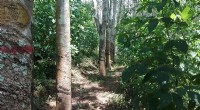
In certain regions, the extensive planting of radiata pine monocultures has raised ecological concerns. These monocultures can reduce biodiversity, alter natural ecosystems, and potentially deplete soil nutrients. Additionally, the use of agrochemicals and irrigation in some radiata pine plantations can have adverse environmental impacts.
6. Genetic Limitations:
Radiata pine has a relatively narrow genetic base compared to some other species. This means that it has limited genetic diversity, making it more susceptible to pests, diseases, and environmental stressors. Efforts have been made to improve genetic diversity through breeding programs, but the species remains vulnerable to genetic challenges.
It is important to note that these disadvantages should be considered in the context of the specific application and growing conditions. Radiata pine remains a valuable timber species due to its adaptability, fast growth rate, and relatively low cost, but it is crucial to manage and mitigate these disadvantages through proper silvicultural practices, pest control measures, and responsible forest management.