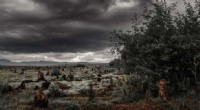
1. Climate: Savannah biomes are generally located in tropical and subtropical regions, where they experience a distinct wet and dry season. The wet season is typically followed by a prolonged dry season, which can last for several months.
2. Vegetation: Savannah biomes are dominated by tall grasses, which can grow up to several meters in height. These grasses form a continuous layer, interspersed with scattered trees and shrubs. The trees in savannahs are often deciduous, meaning they shed their leaves during the dry season to conserve water. Some common tree species found in savannahs include acacia, baobab, and palm trees.
3. Wildlife: Savannah biomes support a diverse array of wildlife, including large herbivores such as elephants, giraffes, zebras, and buffaloes. These herbivores feed on the abundant grasses and leaves in the savannah. Savannahs are also home to predators such as lions, leopards, cheetahs, and hyenas. Other animal species found in savannahs include antelopes, gazelles, warthogs, and various bird species.
4. Fire: Fire plays an important role in shaping savannah ecosystems. Natural wildfires or human-induced fires frequently occur during the dry season and can help maintain the balance between grasses and trees. These fires prevent the encroachment of trees into the grassy plains and promote the growth of new grass shoots.
5. Human Activities: Savannah biomes are often home to human populations engaged in various activities such as agriculture, livestock grazing, and hunting. These activities can have significant impacts on the savannah ecosystem, including habitat loss, fragmentation, and overgrazing. Sustainable land management practices are crucial to maintaining the integrity and biodiversity of savannah biomes.
Overall, savannah biomes are characterized by their grassy plains, scattered trees, distinct wet and dry seasons, diverse wildlife, and the ecological role of fire. They represent important ecosystems that provide habitat for numerous plant and animal species and support various human activities.