Decomposition is important for several reasons:
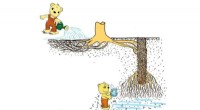
* It recycles nutrients back into the environment. When plants and animals die, their nutrients are locked up in their organic matter. Decomposition breaks down this organic matter and releases the nutrients back into the soil, where they can be taken up by plants.
* It helps to create soil. Decomposition helps to break down organic matter into humus, which is a dark, crumbly material that is essential for soil health. Humus helps to improve soil structure, water retention, and nutrient availability.
* It helps to control pests and diseases. Decomposition helps to break down dead plants and animals that may be harboring pests or diseases. This helps to prevent the spread of disease and pests to other plants and animals.
* It helps to regulate the climate. Decomposition helps to release carbon dioxide into the atmosphere, which is a greenhouse gas. However, decomposition also helps to remove carbon from the atmosphere in the form of organic matter. This helps to regulate the amount of carbon dioxide in the atmosphere and helps to mitigate climate change.
Decomposition is a complex process that involves a variety of organisms, including bacteria, fungi, and insects. These organisms work together to break down organic matter into simpler substances that can be reused by other organisms. Decomposition is a vital process that helps to maintain the health of ecosystems.