Plant fertilizers help plants grow, but they can also end up in aquatic ecosystems by accident. These fertilizers add extra nutrients and chemicals to the water that harm aquatic ecosystems in a variety of ways. Careful fertilizer use and some awareness of the negative impacts of fertilizer on aquatic ecosystem help control this increasingly common problem.
Fertilizer travels into aquatic ecosystems through water. The U.S. Geological Survey explains that fertilizer from crops runs off into nearby streams and ditches, which then drain into nearby lakes and other aquatic ecosystems. Fertilizers from lawns also run off into marine environments, according to the EPA.
Fertilizers contain nutrients, especially phosphorous and nitrogen, according to the Natural Resources Defense Council. Since fertilizers help plants grow, they also cause algal blooms in aquatic ecosystems.
As excess fertilizers enter aquatic ecosystems and cause algal blooms, the algae die off more rapidly. As algae decompose, they remove oxygen from the water, according to the Natural Resources Defense Council and the EPA. A lack of oxygen in the water then kills off fish and other aquatic life. The fertilizer can also leach into the groundwater and contaminate drinking supplies.
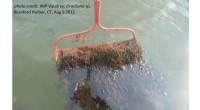
Aquatic ecosystems with lots of fertilizer runoff often have green or brown water, rather than clear or blue water, as algal blooms occur.
People can help keep fertilizer out of aquatic ecosystems by using it correctly. Farmers and lawn owners should follow fertilizer directions carefully and should not apply more fertilizer than plants actually need, because the EPA warns that it might end up in runoff. Gardeners may also want to consider slow-release fertilizers, as recommended by the National Gardening Association. Slow-release fertilizers do not release a bunch of nutrients at once, so excess nutrients leach into the groundwater less frequently.