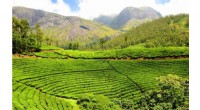
1. Trees: Trees, with their ability to convert sunlight into chemical energy through the process of photosynthesis, act as primary producers in many terrestrial ecosystems. They utilize sunlight, carbon dioxide, and water to produce sugar and release oxygen as a byproduct. Tree species like pines, oaks, maples, and willows are essential producers in forests, providing food and shelter for a vast range of consumers.
2. Algae: Diverse forms of algae, including microalgae and macroalgae, are primary producers in aquatic ecosystems, particularly in marine and freshwater environments. Through photosynthesis, algae capture sunlight, consume carbon dioxide, and release oxygen into the water. Phytoplankton, microscopic algae that drift in the water column, are significant producers that form the base of many aquatic food chains.
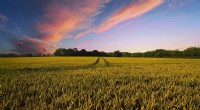
3. Grass: Grasses, abundant in grasslands and other open areas, are notable producers in terrestrial ecosystems. They efficiently convert solar energy into chemical energy, leading to substantial biomass production. Grasses like wheat, corn, rice, and various pasture grasses serve as crucial food sources for herbivores in these environments, supporting entire ecosystems.
4. Phytoplankton: Phytoplankton are microscopic algae that float freely in the world's oceans. These tiny organisms are responsible for producing half of the oxygen we breathe and are a vital food source for many marine animals, including fish, whales, and seals. Phytoplankton are a crucial part of the marine food web and play a significant role in regulating the Earth's climate.
5. Diatoms: Diatoms are unicellular algae covered with intricate glass shells. They are abundant in both marine and freshwater ecosystems and are essential primary producers. Diatoms use sunlight to convert carbon dioxide into organic compounds and play a crucial role in capturing carbon from the atmosphere. They form the foundation of the food chain, supporting a vast array of marine organisms.