1. Resource Utilization: Humans rely on natural resources for survival, including water, air, forests, minerals, and agricultural land. We extract and use these resources for various purposes such as agriculture, energy production, construction, and manufacturing. Managing these resources sustainably and minimizing their depletion is crucial to preserving the ecosystem's equilibrium.
2. Biodiversity Impact: Human activities can significantly affect biodiversity. Land use changes due to urbanization, agriculture expansion, or deforestation result in habitat destruction. Furthermore, overconsumption and pollution can lead to the extinction of species, disrupting ecosystems' intricate web of interactions. Conversely, conservation efforts and habitat restoration can positively contribute to biodiversity preservation.
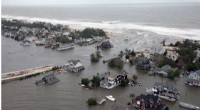
3. Climate Change: Human activities, primarily the burning of fossil fuels for energy production, release greenhouse gases into the atmosphere. This contributes to climate change, leading to global temperature increases, altered weather patterns, and melting ice caps. The consequences include disruption of ecosystems, shifting species distributions, and increased vulnerability to natural disasters.
4. Water Cycle Alteration: Human activities such as water withdrawals for agriculture, industries, and domestic use affect the water cycle. Dams, reservoirs, and irrigation systems alter the flow of water, while polluted runoff impacts water quality. These disruptions affect the ecosystems that depend on specific water conditions and can lead to water shortages and degradation of aquatic ecosystems.
5. Pollution: Various forms of pollution—air, water, and soil—result from human activities such as industrial processes, transportation, waste management, and agricultural practices. Pollutants released into the environment can have adverse effects on wildlife, vegetation, and human health. They can also accumulate in the food chain and cause long-term ecological damage.
6. Invasive Species Introduction: Human activities, including global trade and travel, contribute to the introduction of non-native species to different environments. Invasive species often outcompete native species for resources, leading to a loss of biodiversity and disruption of ecosystem dynamics.
7. Role as Ecosystem Engineers: Humans can act as ecosystem engineers by directly modifying their environment. Planting trees, creating artificial reefs, and restoring wetlands are examples of human intervention aimed at improving ecosystem health and resilience.
8. Conservation Efforts: Humans can play a positive role by implementing conservation strategies, protecting wildlife habitats, and promoting sustainable practices. This includes establishing protected areas, controlling pollution, enforcing environmental regulations, and educating society about environmental responsibility.
It is essential to recognize the significant impact humans have on Earth's ecosystems. Balancing resource use, mitigating climate change, reducing pollution, and promoting biodiversity preservation are critical steps toward achieving sustainable coexistence between humans and the environment.