Similarities:
1. Warm and Temperate Climates: Both North America and tropical rainforests experience warm climates, although the latter tends to be more consistently high throughout the year. This similarity allows for the growth of certain plants and the survival of certain animals that are adapted to warmer environments.
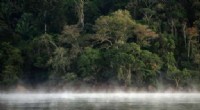
2. Diverse Plant Life: Both North America and tropical rainforests are known for their rich plant diversity. In North America, forests cover large areas, ranging from coniferous forests in the north to temperate deciduous forests in the eastern regions. Tropical rainforests, however, exhibit an even higher level of plant biodiversity due to the consistently warm and humid climate.
3. Abundance of Insects: Both North America and tropical rainforests are home to a vast number of insect species. Insects play crucial roles in both ecosystems, contributing to pollination, decomposition, and providing a food source for other animals.
Differences:
1. Climate Stability: Tropical rainforests experience relatively stable climates throughout the year, with little seasonal variation in temperature and humidity. In contrast, North America experiences more pronounced seasonal changes, including colder winters and warmer summers in some regions. This difference in climate stability leads to variations in the types of plants and animals that can survive in each region.
2. Plant Adaptations: Plants in North America have adapted to the varying climate conditions, including cold winters and dry summers. Some trees, such as oaks and maples, have developed mechanisms to withstand cold temperatures and seasonal changes. Tropical rainforest plants, on the other hand, are adapted to the consistently high temperatures and humidity, and have developed specialized structures for efficient water and nutrient absorption.
3. Animal Diversity: While North America supports a large number of animal species, tropical rainforests are renowned for their exceptionally high biodiversity. The warm and stable climate, coupled with an abundance of food sources, allows for the survival of a diverse range of animals, including monkeys, sloths, toucans, and various reptiles and amphibians.
In summary, while North America and tropical rainforests share some similarities, such as warm climates and diverse plant life, they also exhibit significant differences due to variations in climate stability and seasonal changes. These differences have led to distinct adaptations among plants and animals in each region, resulting in unique and diverse ecosystems.