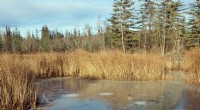
*1. Ecosystem Research: Life scientists often study entire ecosystems, which include both living and nonliving components. To understand how an ecosystem functions, it's important to consider the physical environment, including geological features like rocks and bodies of water like lakes. For example, studying the physical and chemical properties of a lake can provide insights into its ability to support certain aquatic organisms.
2. Environmental Impact Studies: Life scientists may be involved in environmental impact assessments to evaluate the potential effects of human activities on ecosystems. Nonliving components like rocks and lakes can be indicators of environmental changes. For instance, studying rock formations can reveal signs of erosion or geological instability caused by human activities. Changes in water quality or sediment composition in a lake can indicate pollution or nutrient enrichment.
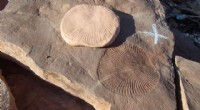
3. Paleontology and Geology: Some life scientists specialize in paleontology or geology, which are fields that focus on studying the Earth's history and structure. Rocks, fossils, and other geological features provide important information about past climates, environments, and the evolution of life. Studying nonliving things can help scientists understand how the Earth has changed over time and how these changes have impacted the diversity and distribution of life forms.
4. Limnology and Oceanography: Limnology is the study of inland waters like lakes, ponds, and rivers, while oceanography is the study of oceans. Life scientists who work in these fields study the physical, chemical, and biological processes that occur in these aquatic ecosystems. They may analyze the composition and characteristics of water, sediments, and rocks to gain insights into the biodiversity, productivity, and ecological dynamics of these systems.
5. Biogeochemical Cycles: Nonliving components of the environment can play crucial roles in biogeochemical cycles, which involve the movement and transformation of elements and nutrients through ecosystems. For example, studying the weathering of rocks can provide information about the release of minerals that are essential for plant growth. Lakes and other water bodies can be sites of nutrient cycling, where organic matter decomposition and nutrient transformations occur.
6. Habitat Assessments: When studying habitats for specific organisms, life scientists consider both living and nonliving components. The presence or absence of certain rock types or the characteristics of a lake can influence the suitability of a habitat for particular species. Understanding these relationships is important for conservation efforts and managing biodiversity.
By studying nonliving things like lakes and rocks, life scientists can gain a more holistic understanding of ecosystems and the interconnections between living and nonliving components. This knowledge contributes to fields such as ecology, environmental science, paleontology, and conservation biology.