1. Habitat Alteration:
- Habitat loss and fragmentation: Natural habitats can be significantly altered or destroyed due to human activities such as deforestation, urbanization, pollution, and climate change. These changes can lead to reduced availability of resources and shelter for organisms, causing displacement or even extinction of species.
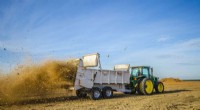
- Changes in habitat structure: Changes in the composition and structure of habitats, such as soil degradation or shifts in plant communities, can disrupt ecological balances and affect the survival, reproduction, and behavior of organisms.
2. Climate Change:
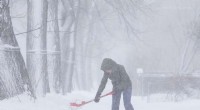
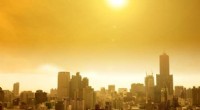
- Temperature changes: Rising temperatures can cause heat stress, increased water loss, and reduced productivity for many organisms. Conversely, extreme cold temperatures can lead to decreased activity, increased energy expenditure, and reduced survival rates.
- Altered precipitation patterns: Shifts in rainfall patterns can affect water availability, causing drought or flooding, which can stress organisms and alter population dynamics.
3. Pollution:
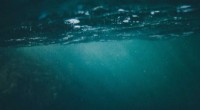
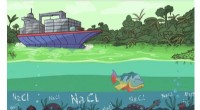
- Water pollution: Toxic substances and contaminants in water bodies, such as heavy metals, pesticides, and oil spills, can poison and kill aquatic organisms, disrupting food webs and ecological balances.
- Air pollution: Pollutants such as smog, particulate matter, and ozone can harm respiratory systems and impair the health and survival of animals and plants.
4. Introduced Species:
- Non-native species: Intentional or accidental introduction of non-native species into an ecosystem can disrupt native ecological interactions. Invasive species may outcompete native organisms for resources, transmit diseases, or prey upon them, leading to declines in population size and even local extinction.
5. Overexploitation:
- Overhunting: Excessive hunting and fishing activities can lead to overexploitation and depletion of animal populations, threatening the sustainability of species and disrupting ecosystem dynamics.
6. Genetic Erosion:
- Habitat alteration, fragmentation, and overexploitation can lead to reduced genetic diversity within populations, making them more vulnerable to environmental changes, diseases, and other stressors.
7. Changes in Food Availability:
- Climate change, habitat alteration, and pollution can impact food sources and availability for organisms. Changes in vegetation and nutrient availability can affect the diets and foraging patterns of species, leading to nutritional stress or starvation.
8. Disease Spread:
- Environmental changes, such as warming temperatures and habitat disruptions, can alter the geographical range and transmission dynamics of diseases and parasites. Organism populations may experience increased susceptibility to diseases, affecting survival and reproductive rates.
Overall, environmental changes can pose significant challenges for organisms and populations, affecting their survival, reproduction, genetic diversity, and ecological interactions. Understanding and managing these changes are crucial for conserving biodiversity and maintaining ecosystem stability.