Components of an Ecosystem
All ecosystems have three main components:
* Biotic components: These are the living organisms in the ecosystem, including plants, animals, and microorganisms.
* Abiotic components: These are the nonliving things in the ecosystem, such as air, water, soil, and sunlight.
* Interactions: The interactions between the biotic and abiotic components of the ecosystem are what make it a system. These interactions include things like photosynthesis, respiration, and decomposition.
Types of Ecosystems
There are many different types of ecosystems on Earth, each with its own unique characteristics. Some of the most common types of ecosystems include:
* Forest ecosystems: These ecosystems are dominated by trees. They can be found in a variety of climates, from the tropics to the tundra.
* Grassland ecosystems: These ecosystems are dominated by grasses. They can be found in temperate climates, such as the prairies of North America.
* Desert ecosystems: These ecosystems are characterized by a lack of water. They can be found in hot and dry climates, such as the Sahara Desert.
* Tundra ecosystems: These ecosystems are characterized by a cold climate and a lack of trees. They can be found in the Arctic and Antarctic regions.
* Aquatic ecosystems: These ecosystems are found in water. They can be freshwater ecosystems, such as lakes and rivers, or marine ecosystems, such as oceans and estuaries.
Importance of Ecosystems
Ecosystems are essential to life on Earth. They provide us with many important services, such as:
* Food: Ecosystems provide us with food, such as plants, animals, and fish.
* Water: Ecosystems filter and purify water, making it safe for us to drink.
* Air: Ecosystems produce oxygen, which we need to breathe.
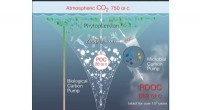
* Climate regulation: Ecosystems help to regulate the climate by absorbing carbon dioxide and releasing oxygen.
* Biodiversity: Ecosystems are home to a wide variety of plants and animals. This biodiversity is essential for the health of the planet.
Threats to Ecosystems
Ecosystems are under threat from a variety of human activities, such as:
* Pollution: Pollution can damage the air, water, and soil in ecosystems.
* Deforestation: Deforestation can destroy habitat for plants and animals, and it can also lead to soil erosion and climate change.
* Overfishing: Overfishing can deplete fish populations and damage marine ecosystems.
* Climate change: Climate change is causing the Earth's temperature to rise, which can disrupt ecosystems and lead to the extinction of species.
Protecting Ecosystems
It is important to protect ecosystems for the sake of our own survival. We can do this by:
* Reducing pollution: We can reduce pollution by driving less, using less energy, and recycling more.
* Conserving resources: We can conserve resources by using less water and energy, and by eating less meat.
* Protecting habitat: We can protect habitat by supporting land trusts and conservation organizations, and by creating wildlife-friendly gardens.
* Educating ourselves: We can educate ourselves about ecosystems and the threats they face, and we can share this information with others.
By taking these steps, we can help to protect ecosystems and ensure a healthy future for our planet.