- Plants:
- Cacti: Different species of cacti are well-adapted to survive in arid conditions, with thick stems that store water and spines to reduce water loss.
- Succulents: Plants like agaves and yuccas have thick, fleshy leaves that store water.
- Creosote bush: A common desert shrub that can withstand high temperatures and low water availability.
- Animals:
- Desert tortoise: A reptile that can survive on minimal water and is well-adapted to conserve moisture.
- Lizards: Various species of lizards, including the Gila monster and chuckwalla, are found in desert ecosystems.
- Snakes: Different types of snakes, such as rattlesnakes and sidewinders, inhabit deserts.
- Insects: Scorpions, tarantulas, and various beetles and ants play crucial roles in the desert food chain.
- Birds: Some species of birds, like cactus wrens and roadrunners, are adapted to the desert environment.
- Mammals: Kangaroo rats, jackrabbits, and coyotes are examples of desert-dwelling mammals.
Nonliving things in the desert ecosystem
- Temperature: Deserts experience high diurnal temperature variations, with scorching daytime heat and cool nights.
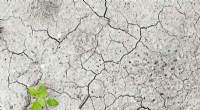
- Rainfall: Deserts receive limited rainfall, usually below 25 centimeters (10 inches) annually.
- Humidity: The air in deserts is typically dry, with low humidity levels.
- Soil: Desert soils are often sandy, rocky, or gravelly, with poor water-holding capacity.
- Landforms: Deserts are characterized by various landforms, such as sand dunes, mesas, and canyons.