Resource consumers: Humans use a wide range of resources from ecosystems, including food, water, timber, and minerals. Our consumption of these resources can have both positive and negative impacts on ecosystems. For example, sustainable forestry practices can maintain the health of forests, while overfishing can lead to the depletion of fish populations.
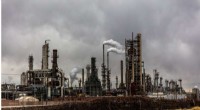
Pollution producers: Human activities generate various types of pollution, including air pollution from vehicles and factories, water pollution from wastewater and agricultural runoff, and land pollution from waste disposal. Pollution can harm both human and ecosystem health. Air pollution can contribute to respiratory problems, water pollution can contaminate drinking water supplies, and land pollution can reduce soil fertility.
Climate change contributors: Human activities, particularly the burning of fossil fuels, release greenhouse gases into the atmosphere. These gases trap heat and lead to global warming and climate change. Climate change has numerous impacts on ecosystems, including rising sea levels, melting glaciers, changing weather patterns, and disruptions to plant and animal life.
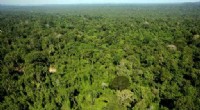
Habitat modifiers: Humans transform natural habitats through activities such as deforestation, urbanization, and agriculture. Habitat modification can fragment ecosystems, reduce biodiversity, and make species more vulnerable to extinction. However, humans can also restore and protect habitats through conservation efforts, reforestation, and sustainable land management practices.
Species introducers: Humans intentionally or unintentionally introduce species into ecosystems where they don't naturally occur. These introduced species can become invasive and disrupt the balance of the ecosystem. For instance, invasive plant species can outcompete native plants for resources, while invasive animal species can prey on or transmit diseases to native species.
Ecosystem engineers:Humans can directly alter and reshape ecosystems through activities such as dam construction, land reclamation, and the creation of artificial habitats. While these modifications can be beneficial in some cases, such as providing water for irrigation or creating new habitats for wildlife, they can also lead to unintended negative consequences.
Overall, humans have a profound influence on ecosystems, both positive and negative. It is crucial that we understand our role and take responsibility for our actions to ensure the long-term sustainability and health of the ecosystems we rely on.