1. Disrupts Aquatic Ecosystems: Acid rain lowers the pH level of water bodies, making them more acidic. This disrupts the delicate balance of aquatic ecosystems, affecting the survival and reproduction of many aquatic organisms.
2. Kills Aquatic Life: Low pH levels can be directly toxic to aquatic life, including fish, amphibians, and invertebrates. Acidic water can damage their gills, disrupt their reproductive systems, and impair their ability to feed and survive.
3. Aluminum Toxicity: Acid rain often leads to increased levels of aluminum in water bodies. Aluminum is toxic to aquatic organisms and can disrupt their physiological functions, leading to reduced growth, impaired reproduction, and even death.
4. Reduced Food Availability: Acid rain can reduce the availability of food sources for aquatic wildlife. It can harm or kill aquatic plants and insects, which are essential food sources for many fish, birds, and other animals.
5. Impairs Reproduction: Acid rain can disrupt the reproductive cycles of aquatic organisms, making it difficult for them to reproduce successfully. Reduced egg survival, deformities, and reproductive failures are commonly observed in acidified environments.
6. Affects Amphibian Populations: Amphibians, such as frogs and salamanders, are highly sensitive to acid rain. Their eggs and larvae are vulnerable to acidic conditions, and many amphibian populations have declined in regions affected by acid rain.
7. Indirect Impacts on Terrestrial Wildlife: Acid rain can indirectly affect terrestrial wildlife by reducing their food sources or altering their habitats. For example, if acid rain reduces the insect population in a forest, it can impact birds and other animals that rely on insects for food.
8. Acidification of Soil: Acid rain can also contribute to soil acidification, which can have long-term effects on terrestrial ecosystems. Acidic soil can damage plant roots and reduce soil fertility, affecting the growth and survival of plants and animals that rely on them.
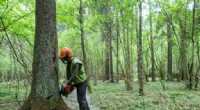
9. Forest Damage: Acid rain can damage forest trees by leaching essential nutrients from the soil and making them more susceptible to diseases and pests.
It's important to note that the impact of acid rain on wildlife can vary depending on the severity and duration of acidification, the specific species affected, and the characteristics of the local ecosystem. Efforts to reduce emissions of sulfur dioxide and nitrogen oxides, the main precursors of acid rain, are essential to mitigate these harmful effects and protect wildlife and biodiversity.