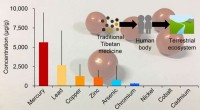
1. Minerals and Metals: The presence of dissolved minerals and metals, such as iron, copper, manganese, and calcium, can cause water to change color. For example, high levels of iron can cause water to appear reddish-brown, while copper can give it a blue-green tint.
2. Organic Matter: Decomposing organic matter, such as leaves, plants, and animal waste, can also affect the color of water. When these materials decay, they release substances called tannins and humic acids, which can give water a brown or yellow color.
3. Algae and Bacteria: Blooms of algae and bacteria can cause water to turn green, blue-green, or red. These organisms produce pigments that give water its color.
4. Chemicals and Pollutants: Various chemicals and pollutants, including industrial waste, sewage, and fertilizers, can also cause color changes in water. For example, high levels of chlorine can give water a yellow or green tint, while certain chemicals used in manufacturing can cause water to appear blue or purple.
5. Temperature and pH: Changes in water temperature and pH can also affect its color. For example, warmer water can hold less dissolved oxygen, which can cause the water to appear cloudy or murky. Low pH levels can also cause metals to dissolve more readily, leading to a change in water color.
6. Suspended Sediments: High levels of suspended sediments, such as clay, silt, and sand, can give water a cloudy or turbid appearance. These particles can be carried into water bodies by runoff from construction sites, agricultural fields, and eroding riverbanks.
7. Industrial Discharge: Industrial discharge can introduce various pollutants into water bodies, including heavy metals, chemicals, and dyes, which can cause significant color changes and precipitation.
8. Oil and Gasoline Spills: Oil and gasoline spills can create a rainbow-like sheen on the water's surface. These substances are immiscible with water and form a separate layer on top.
It's important to note that sudden or dramatic changes in water color, especially combined with an unpleasant odor or taste, can indicate contamination and should be investigated to ensure water safety.