Warming temperatures:
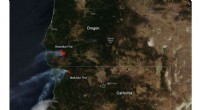
- Higher temperatures due to climate change dry out vegetation, making it more susceptible to catching fire.
- Higher temperatures also lead to longer and more severe droughts, which further increase wildfire risk.
Changes in precipitation patterns:
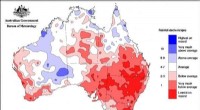
- Changes in precipitation patterns due to climate change are leading to shifts in vegetation distribution and moisture levels, which can affect wildfire risk.
- For example, increasing precipitation in some areas may lead to more vegetation growth, which provides more fuel for wildfires.
-Decreasing precipitation in other areas may lead to drier conditions, which increase the risk of drought-related wildfires.
Earlier snowmelt:
- With increasing temperatures, snowmelt is occurring earlier in the year, which extends the wildfire season.
- The loss of snowpack also reduces water availability for firefighting efforts.
Changes in wind patterns:
- Climate change is influencing wind patterns, leading to stronger winds that can fan wildfires and spread them more quickly.
- Increased wind speeds also make firefighting efforts more difficult and dangerous.
Lightning strikes:
- Climate change is increasing the frequency of lightning strikes, which can start wildfires in remote areas that are not easily accessible for firefighting.
Human influence:
- While climate change is a significant driver of increased wildfire risk, human activities also play a role.
- For example, logging and other forest management practices can alter vegetation patterns and increase wildfire risk.
- Human-caused ignitions, such as campfires left unattended or arson, also contribute to wildfire starts.
The scientific consensus is clear: climate change is contributing to increased wildfire risk and severity. To mitigate this risk, we need to take action to reduce greenhouse gas emissions and adapt to the changing climate. This includes investing in forest management practices that reduce the risk of wildfires, educating the public about wildfire prevention, and improving our ability to respond to and fight wildfires.