Primary sources of air pollution are those that directly release pollutants into the atmosphere. Some of the key primary sources include:
- Transportation: Vehicles such as cars, trucks, and airplanes release pollutants such as nitrogen oxides (NoX), carbon monoxide (CO), particulate matters (PM), and hydrocarbons through their exhaust emissions. Diesel vehicles are particularly significant sources of PM.
- Industrial and Manufacturing Activities: Industries such as power plants, factories, and manufacturing facilities emit pollutants like sulfur dioxide (SO2), NoX, PM, and volatile organic compounds (VOCs) during their operations and production processes.
- Residential Heating and Cooking: Burning fossil fuels such as coal, wood, and natural gas for heating and cooking releases PM, NoX, and carbon dioxide (CO2) into the air. This is particularly common in developing countries where traditional fuels are used widely.
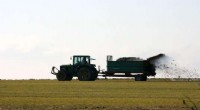
- Agriculture Activities: Certain agricultural practices, such as livestock farming and the application of fertilizers, can release pollutants like ammonia (NH3), methane (CH4), and nitrogen oxides.
- Open Burning: The burning of waste, crop residues, and forests results in the emission of PM, CO, NoX, and other harmful chemicals.
Secondary sources of air pollution are those that form in the atmosphere as a result of chemical reactions between primary pollutants. Some common secondary sources include:
- Photochemical Reactions: In the presence of sunlight, pollutants such as NOX and VOCs can react to create smog and ground-level ozone (O3). Smog is a mixture of various pollutants, including PM, O3, and NoX, which leads to reduced visibility and respiratory problems.
- Aerosols: PM in the atmosphere can react with other pollutants and form aerosols. These tiny particles can have adverse impacts on human health and contribute to cloud formation, haze, and fog.
- Acid Rain: SO2 and NOX emissions from industries and vehicles can convert into acids in the atmosphere. When these acids mix with rain or snow, they can result in acid rain, leading to environmental damage, forest degradation, and water pollution.
The relative contribution of these sources might differ based on geographical location, industrialization, energy consumption patterns, transportation infrastructure, and environmental regulations. Additionally, weather conditions and atmospheric chemistry play a role in the transformation and transport of pollutants, affecting the overall air quality of a region.