1. Shifts in Temperature and Precipitation:
- Temperature increase: As global temperatures rise, species that are adapted to cooler climates face challenges surviving in their current habitats. Many species shift their ranges to higher latitudes or higher elevations to find suitable temperatures.
- Changes in precipitation: Altered rainfall patterns affect the availability of water resources, which can impact species dependent on specific water levels or humidity. Some areas experience increased flooding or droughts, forcing species to adapt or relocate.
2. Habitat Loss:
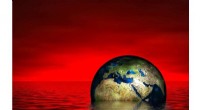
- Rising sea levels: Coastal habitats are threatened as sea levels rise. Species inhabiting coastal ecosystems, including wetlands, mangroves, and coral reefs, face habitat loss, forcing them to move inland.
- Desertification: Increasingly dry conditions due to climate change lead to desertification, causing habitats to become arid and unsuitable for many plant and animal species.
- Changes in vegetation: Climate change alters the distribution of plant species, which affects herbivores, predators, and other species dependent on specific plants for food or shelter.
3. Changes in Phenology:
- Disrupted timing of events: Climate change disrupts the natural timing of biological events such as flowering, hibernation, and migration, which affects species' interactions and fitness.
- Mismatches: For example, if a plant's flowering period changes due to earlier spring temperatures, pollinators may not be present at the right time, leading to reduced reproduction.
4. Disease Spread:
- Range expansion of diseases: Warmer temperatures and altered precipitation patterns enable disease-carrying vectors, such as mosquitoes, to expand their ranges, exposing new populations to diseases.
- Disease impact on species: Diseases that were previously limited to certain regions can spread to new areas, affecting species with reduced immunity or limited adaptation to these diseases.
5. Changes in Species Interactions:
- Competition: The redistribution of species due to climate change can introduce new competitors into an area, leading to increased competition for resources like food and habitat.
- Predator-prey relationships: Climate change can alter predator-prey relationships by changing the distribution and abundance of both predators and prey species.
- Host-parasite interactions: Climate change affects the distribution and abundance of parasites and their hosts, impacting overall ecosystem health.
6. Range Expansion and Contraction:
- Some species may expand their ranges into previously inhospitable areas as climate conditions become more suitable.
- Conversely, species that cannot adapt to the changing climate may experience range contractions or even localized extinction in certain areas.
It's important to note that the impacts of climate change on species and habitats can vary across regions, ecosystems, and species. Understanding these changes is crucial for conservation efforts, managing protected areas, and taking measures to mitigate the negative consequences of climate change on biodiversity and ecosystem functioning.