1. Habitat Mapping and Monitoring:
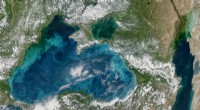
Deep learning algorithms can analyze satellite imagery and other remote sensing data to accurately map and monitor mangrove forests. By identifying changes in forest cover over time, researchers can track deforestation and degradation, enabling early intervention and conservation efforts. This information is crucial for developing effective management strategies and enforcing regulations.
2. Species Identification and Classification:
Deep learning models can be trained to identify different mangrove species based on their unique visual characteristics. This capability is particularly valuable in diverse ecosystems where manual identification can be challenging. Accurate species identification supports targeted conservation efforts and restoration initiatives, ensuring that appropriate species are replanted in degraded areas.
3. Health Assessment:
Deep learning algorithms can analyze multispectral imagery and other data sources to assess the health and vitality of mangrove forests. By detecting indicators of stress, such as canopy density, leaf discoloration, and water quality changes, deep learning models can provide early warnings of potential threats, enabling timely interventions to mitigate stressors.
4. Predicting Natural Disasters and Adaptation Strategies:
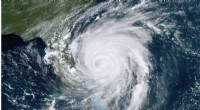
Deep learning models can be employed to analyze historical data, climate projections, and other environmental factors to predict the likelihood and impact of natural disasters, such as hurricanes and cyclones, which pose significant threats to mangrove forests. These predictions help decision-makers develop adaptation strategies, such as mangrove replanting and habitat restoration, to enhance the resilience of mangrove forests to natural disturbances.
5. Conservation Prioritization:
Deep learning can assist in prioritizing conservation efforts by analyzing multiple ecological, social, and economic factors. It can help identify areas of critical importance for conservation, considering factors such as biodiversity, connectivity, vulnerability to threats, and socio-economic benefits. This information informs the allocation of limited conservation resources and ensures that efforts are directed where they will have the most significant impact.
6. Community Engagement and Education:
Deep learning techniques can be utilized to create engaging educational materials and interactive tools for raising awareness about the importance of mangrove forests. By leveraging visual representations, animations, and interactive simulations, deep learning makes it easier to convey complex ecological concepts and inspire local communities to participate in conservation efforts.
7. Policy and Decision-Making Support:
Deep learning models can provide valuable insights to support policymaking and decision-making related to mangrove conservation. By integrating ecological, socio-economic, and climate data, deep learning can generate scenarios and predictions to inform policy development, land-use planning, and sustainable management strategies.