Introduction:
Rock art is our most ancient form of art, created thousands of years ago by humans. It offers a glimpse into the lives and cultures of our ancestors and serves as a connection to our shared past. However, the increasing effects of climate change present a significant threat to the preservation of rock art, with many of the world's oldest artworks facing the risk of gradual erosion and eventual loss.
Impact of Climate Change:
1. Temperature Fluctuations:
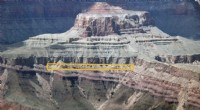
Climate change leads to fluctuations in temperature and humidity levels, which can cause the rocks on which the art is etched to expand and contract. This continuous expansion and contraction weaken the rock's structure, creating cracks and fissures that make them susceptible to erosion.
2. Increased Precipitation:
As the global temperature rises, precipitation patterns are changing. Some areas are experiencing more frequent heavy rainfall, leading to increased runoff and flash floods. Such water flows have a scouring effect on the rocks, eroding the surfaces and damaging the rock art.
3. Changes in Vegetation:
Changes in climate conditions affect vegetation patterns. As some plant species thrive in the altered environment, they may obscure or even cover the rock art. Plants growing directly on the rock can cause their roots to penetrate the rock, damaging the art beneath.
4. Natural Disasters:
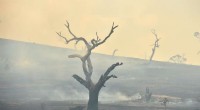
Climate change has led to an increase in the frequency and severity of natural disasters such as wildfires and extreme storms. These events can cause extensive damage to rock art, with fires scorching and storms obliterating the ancient artworks.
5. Sea Level Rise:
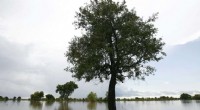
Rock art in coastal areas faces a unique threat from rising sea levels. As oceans encroach upon land, they submerge and destroy rock art along shorelines. This is particularly concerning for sites that served as ritual and ceremonial locations for ancient coastal communities.
Examples:
- Australia's Kimberley Region: The Bradshaw rock art in Australia's Kimberley region dates back tens of thousands of years. However, changes in rainfall patterns have caused increased runoff, leading to faster erosion of the rock art.
- Utah's Canyonlands National Park: Canyonlands National Park is renowned for its rich collection of rock art created by Native American tribes. With shifting climate conditions and heavier precipitation, the park's iconic rock formations are experiencing water damage, threatening the survival of the art.
- France's Chauvet-Pont-d'Arc Cave: The Chauvet-Pont-d'Arc Cave in France is famous for its prehistoric cave paintings. Increased carbon dioxide levels in the cave due to human activity have caused deterioration of the art's vivid colors.
Conclusion:
The impacts of climate change on the world's oldest rock art are profound. With temperature fluctuations, increased precipitation, altered vegetation patterns, natural disasters, and rising sea levels, the preservation of these cherished artworks is at significant risk. It is crucial that we take immediate action to mitigate climate change's effects and protect our cultural heritage, ensuring that future generations have the opportunity to appreciate and connect with our shared past.