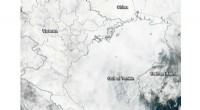
Tropical storm is a low pressure system that forms over the warm ocean waters near the equator, characterized by strong winds, thunderstorms, and heavy rainfall. Tropical storms have wind speeds that range between 39 and 73 miles per hour and are classified into different categories based on their strength, with the Saffir-Simpson Hurricane Wind Scale being the most commonly used. Tropical storms can cause significant damage to coastal areas and are often accompanied by storm surge, flash flooding, and strong winds.
Extratropical storm is a low-pressure weather system that forms outside of the tropics and is not associated with warm ocean waters. Extratropical storms are common in the mid-latitudes and can exhibit a variety of characteristics, including strong winds, heavy precipitation, and temperature changes. They can range from weak disturbances to powerful storms, such as Nor'easters in the Atlantic Ocean or European windstorms. Extratropical storms are generally larger in size compared to tropical storms and can affect larger geographical regions.