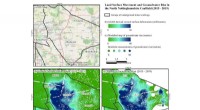
1. Size and Distribution: Ocean forests cover vast areas, often referred to as kelp forests. While they may not be as extensive as the Amazon rainforest, some kelp forests can span thousands of square kilometers. These forests are found in temperate and cold regions, such as the Pacific coast of North America, South America, and parts of Europe.
2. Productivity: Ocean forests are incredibly productive ecosystems. Kelp can grow rapidly, with some species reaching lengths of up to 50 meters in a single growing season. This rapid growth contributes to high levels of primary production, meaning that ocean forests produce a significant amount of organic matter through photosynthesis.
3. Biodiversity: Ocean forests are biodiversity hotspots, providing habitats for a wide range of marine organisms. Kelp forests support a diverse community of fish, invertebrates, and marine mammals. These forests serve as breeding grounds, nursery areas, and feeding grounds for various species, contributing to the overall health of the marine ecosystem.
4. Carbon Sequestration: Kelp forests play a vital role in carbon sequestration. They absorb large amounts of carbon dioxide from the atmosphere and convert it into organic matter through photosynthesis. This process helps regulate atmospheric carbon levels and contributes to mitigating climate change.
5. Human Importance: Ocean forests provide various benefits to humans. They serve as natural buffers against coastal erosion and storm surges, protecting coastal communities from the impact of waves. Kelp also has economic importance, as it is used in food products, pharmaceuticals, and fertilizers.
Research has indicated that ocean forests may be even more productive than previously thought, with some studies suggesting that they could rival or even exceed the productivity of tropical rainforests. Understanding and protecting these underwater ecosystems is essential for maintaining the balance and health of our planet's marine environments.