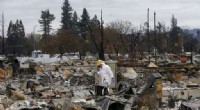
The study, published in the journal "Communication Research," surveyed over 500 people about their viewing habits and motivations for watching disaster footage. The researchers found that the most common reasons for watching included:
* Information seeking: People often watch disaster footage to learn more about what is happening and to stay informed about the situation.
* Entertainment: Some people find disaster footage to be entertaining and exciting. They may enjoy the adrenaline rush that comes from watching extreme events unfold.
* Social connection: Disaster footage can provide a way for people to connect with others who are affected by the event. They may feel a sense of community and support by sharing their experiences and emotions.
* Catharsis: Watching disaster footage can be a way for people to release their own emotions and feelings of anxiety or fear. They may feel a sense of relief by seeing that others are also experiencing the same emotions.
The researchers also found that people who are more anxious or sensation-seeking are more likely to watch disaster footage. This suggests that these personality traits may play a role in motivating people to seek out this type of content.
The study provides new insights into the psychological factors that motivate people to watch disaster footage. These findings can help us understand why people are drawn to this type of content and how it can affect them.
Here are some tips for managing your exposure to disaster footage:
* Limit your exposure: It is important to take breaks from watching disaster footage, especially if it is causing you distress or anxiety.
* Be aware of your motivations for watching: Are you watching for information, entertainment, or some other reason? Knowing your motivations can help you make informed choices about what content you consume.
* Talk to someone: If you are struggling to cope with your emotions after watching disaster footage, talk to a friend, family member, or mental health professional.
Remember, it is important to take care of your own well-being when consuming news and media content.