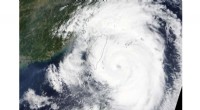
1. Precipitation and Runoff: Increased global temperatures can lead to changes in precipitation patterns, including more intense rainfall events. This can result in higher runoff rates and more erosive power in streams and rivers, which can accelerate erosion. Heavy precipitation and intense rainfall can cause flash floods and debris flows, leading to rapid erosion and sediment transport.
2. Vegetation Changes: Climate change affects vegetation growth and distribution. Rising temperatures and altered precipitation patterns can cause shifts in plant communities, including the loss of vegetation in some areas and increased plant growth in others. Changes in vegetation can modify the protective cover on the land surface, making it more vulnerable to erosion. For example, deforestation or loss of vegetation due to drought can reduce root systems that help hold soil in place, leading to higher erosion rates.
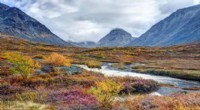
3. Permafrost Melting: In cold regions, global warming can cause the melting of permafrost, which is perennially frozen soil found in polar and high-mountain regions. As permafrost thaws, the ground becomes unstable and more susceptible to erosion. This can lead to increased sediment production in rivers and streams draining these regions.
4. Glacial Retreat: Warming temperatures can cause the retreat of glaciers and ice sheets, leading to changes in the hydrological systems in these regions. The melting of glaciers can result in increased water flow and sediment production, affecting downstream erosion rates.
5. Sea-Level Rise: Rising sea levels associated with climate change can cause coastal erosion and inundation of low-lying areas. This can lead to the loss of land, displacement of communities, and increased erosion rates along coastlines.
Overall, global climate change influences erosion rates through changes in precipitation patterns, vegetation cover, permafrost melting, glacial retreat, and sea-level rise. Understanding these interconnections is crucial for assessing the vulnerability of different ecosystems to erosion and developing effective mitigation and adaptation strategies.