1. Phenological Changes: Climate caprices can alter the timing of plant phenological events, such as flowering, fruiting, and leaf senescence. For instance, warmer temperatures in spring may cause plants to flower earlier, while a sudden drop in temperature can delay flowering or even damage flowers and fruits.
2. Growth and Development: Climate caprices can influence plant growth and development. Higher temperatures and increased sunlight may promote rapid growth, while extreme heat, drought, or excessive rainfall can stunt growth or cause dieback.
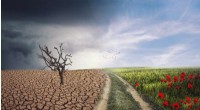
3. Stress Responses: Climate caprices can trigger stress responses in plants. Drought conditions can lead to water stress, causing plants to wilt, drop leaves, and eventually die if the stress is prolonged. Similarly, extreme heat can induce heat stress, leading to protein denaturation, membrane damage, and reduced photosynthesis.
4. Defense Mechanisms: Climate caprices can also stimulate plants' defense mechanisms. Drought stress can enhance the production of drought-tolerance genes and the accumulation of compatible solutes, which help plants maintain cellular homeostasis. Exposure to high light intensity can induce the synthesis of protective pigments like carotenoids and anthocyanins, shielding plant tissues from harmful UV radiation.
5. Pollination and Seed Dispersal: Climate caprices can affect the availability and activity of pollinators, thereby impacting pollination success. For example, heavy rainfall or strong winds can disrupt pollinator movements, reducing fruit and seed production. Climate-driven changes in animal migration patterns can also influence seed dispersal, affecting plant distribution and recruitment.
6. Range Shifts and Adaptation: Over time, climate caprices can drive range shifts and adaptation in plant populations. Species that are better adapted to the changing climatic conditions may thrive and expand their ranges, while less adaptable ones may decline or even face extinction.
Understanding how climate caprices impact plants is crucial for predicting and mitigating the potential consequences of climate change on ecosystems, agriculture, and biodiversity. It also highlights the importance of implementing conservation strategies that promote plant resilience and adaptation to changing environmental conditions.