Here are some specific ways in which climate change has contributed to the food crisis in Madagascar:
* Droughts: Madagascar has experienced several severe droughts in recent years, which have caused widespread crop failures and livestock deaths. The most recent drought, which began in 2020, has been particularly devastating, affecting more than 1.3 million people and leaving over 1 million in need of food assistance.
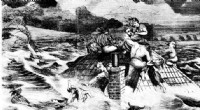
* Floods: Madagascar is also prone to flooding, which can damage crops, infrastructure, and livestock. In 2022, Tropical Storm Ana and Cyclone Batsirai caused widespread flooding and landslides, resulting in the deaths of over 120 people and the displacement of thousands more.
* Erosion: Climate change-induced changes in rainfall patterns have led to increased erosion, which has degraded soil quality and reduced crop yields.
* Pests and diseases: Climate change has also led to an increase in the prevalence of pests and diseases that affect crops and livestock. For example, the fall armyworm, a destructive pest that attacks maize, has spread rapidly across Madagascar in recent years, causing significant damage to crops.
* Sea level rise: Sea level rise is threatening coastal communities in Madagascar, where many people rely on fishing for their livelihoods. Rising sea levels are also contributing to salinization of freshwater sources, making them unusable for drinking or irrigation.
The food crisis in Madagascar is a complex issue with multiple causes, but climate change is clearly a major contributing factor. The country's vulnerability to climate change is exacerbated by poverty, poor governance, and a lack of investment in infrastructure and adaptation measures. Without urgent action to address climate change and its impacts, the food crisis in Madagascar will only get worse.
Here are some things that can be done to address the food crisis in Madagascar and help the country adapt to climate change:
* Increase investment in climate-resilient agriculture. This includes developing drought-resistant crop varieties, improving irrigation systems, and providing farmers with training on climate-smart agricultural practices.
* Strengthen social protection programs. These programs can help to ensure that the most vulnerable people have access to food and other essential resources during times of crisis.
* Improve governance and transparency. This is essential to ensure that resources are used effectively and that the needs of the most vulnerable people are met.
* Promote international cooperation. Madagascar needs the support of the international community to address the food crisis and adapt to climate change. This support can include financial assistance, technical expertise, and trade opportunities.
By working together, we can help Madagascar to overcome the food crisis and build a more resilient future for its people.