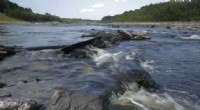
- Sense of Appreciation: Anglers who immerse themselves in the serene atmosphere of rivers and streams develop a deep understanding and appreciation for the delicate ecosystem they're part of.
- Respect for Habitats: Fly fishing encourages the angler to respect and preserve natural habitats, nurturing a stewardship ethic for water quality, fish species, and aquatic environments.
- Conservation Practices: Fly fishing culture incorporates catch-and-release values, promoting conservation by reducing fish mortality.
- Habitat Restoration: Many anglers actively participate in river cleanup projects and habitat restoration efforts to enhance fish populations and ecosystems.
- Scientific Research: Anglers often contribute valuable scientific information about fish behavior, local species, and ecosystem health through catch data.
- Economic Contribution: Fly fishing tourism can benefit local communities, raising awareness of conservation efforts and generating revenue that can be reinvested in conservation projects.
- Educational Outreach: Fly fishing organizations and clubs collaborate with educational institutions to teach fly-tying, casting, and responsible angling techniques, instilling a conservation ethic in the next generation.
- Advocacy and Regulation: Anglers advocate for conservation policies and engage with regulators to ensure sustainable fishing practices and protect vulnerable species.
- Ethical Consumption: Fly fishing fosters an awareness of sustainable seafood choices, encouraging anglers to support ethical practices in fishing industries.
- Community Building: Anglers form tight-knit communities built around their shared connection with nature and dedication to conservation. This network effect often amplifies their conservation impact.
By intertwining their passion for fly fishing with a deep sense of responsibility towards wildlife and ecosystems, anglers contribute significantly to conservation efforts, protecting the habitats and ecosystems that sustain this recreational activity and its profound connection to nature.