1. Increased Bird Populations: Feeding birds can attract large numbers of birds to an area, leading to an increase in bird populations. This can have negative consequences, such as increased competition for food and resources, more bird droppings, and greater pressure on local flora and fauna.
2. Spread of Diseases: Birds can carry various diseases and parasites that can be spread to other birds and animals, including humans. When a large number of birds congregate in one area due to bird feeding, the risk of disease transmission increases, potentially harming the local ecosystem.
3. Competition with Native Wildlife: Providing food for birds may attract non-native or invasive species that compete with native wildlife for food and habitat. These invasive species can have a negative impact on local ecosystems, displacing native species and disrupting the natural balance.
4. Food Waste and Litter: Improper disposal of birdseed and other food can result in food waste and litter, contributing to local environmental pollution. Uneaten birdseed and food scraps attract pests, such as rodents and insects, and can also cause water contamination if they enter waterways.
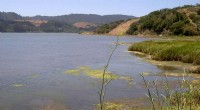
5. Increased Nutrient Loading: Bird droppings contain high levels of nitrogen and phosphorus, which can lead to nutrient enrichment or eutrophication of water bodies. This can result in excessive growth of algae and aquatic plants, disrupting the natural balance of ecosystems and potentially causing water quality problems.
6. Disruption of Natural Food Sources: Feeding birds may reduce the incentive for them to forage for their natural food sources, such as insects and fruits, which can alter their behavior and impact the local ecosystem.
To mitigate these potential adverse effects, it's important to practice responsible bird feeding by using bird feeders that are designed to minimize waste, avoiding foods that are harmful to birds, and choosing appropriate feeding locations away from sensitive areas. By considering the environmental impact of feeding birds, we can enjoy this activity while protecting local ecosystems and wildlife.