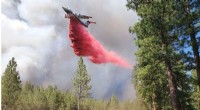
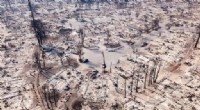
Wildfires are a growing threat to agricultural landscapes around the world. In the United States, wildfires burned over 10 million acres of land in 2020, causing billions of dollars in damage. Agricultural lands are particularly vulnerable to wildfires, as they often contain large amounts of dry vegetation that can easily catch fire.
In addition to the direct damage they cause, wildfires can also have a number of indirect effects on agriculture. For example, wildfires can damage soil quality, pollute water supplies, and disrupt transportation and supply chains. This can make it difficult for farmers to get their crops to market, and can lead to increased food prices.
One way to reduce the risk of wildfires on agricultural landscapes is to plant fire-smart crops. Fire-smart crops are crops that have been specifically bred to be less flammable and more resistant to fire damage. These crops can help to create a natural firebreak, which can help to slow the spread of wildfires and give firefighters more time to respond.
Some examples of fire-smart crops include:
* Wheat: Wheat is a cool-season grass that is naturally fire-resistant. It has a high moisture content and a low density of leaves, which makes it less likely to catch fire.
* Corn: Corn is a warm-season grass that is also fire-resistant. It has a thick stalk and a high leaf area index, which helps to shade the ground and reduce the amount of fuel available for fires.
* Soybeans: Soybeans are a legume that is also fire-resistant. They have a high seed moisture content and a low density of leaves, which makes them less likely to catch fire.
In addition to planting fire-smart crops, farmers can also take other steps to reduce the risk of wildfires on their land, such as:
* Clearing brush and debris: Brush and debris can provide fuel for wildfires. Farmers should clear these materials from around their fields and buildings.
* Irrigating crops: Irrigated crops are less likely to catch fire than dry crops. Farmers should irrigate their crops regularly, especially during dry spells.
* Creating firebreaks: Firebreaks are strips of land that have been cleared of vegetation. They can help to slow the spread of wildfires and give firefighters more time to respond.
By planting fire-smart crops and taking other precautions, farmers can help to reduce the risk of wildfires on their land and protect their livelihoods.
Conclusion
Wildfires are a serious threat to agricultural landscapes around the world. However, farmers can take steps to reduce the risk of wildfires on their land, such as planting fire-smart crops and taking other precautions. By working together, farmers can help to protect their livelihoods and ensure the future of agriculture.