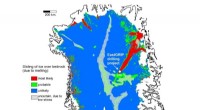
To get an idea of what this might look like, we can look back in time to the last interglacial period, which occurred about 125,000 years ago. During this time, the Earth's average temperature was about 2 degrees Celsius higher than it is today, and the sea levels were about 6 meters higher.
In Australia, this warmer climate led to a number of changes. The deserts expanded, and the forests shrank. The coastline was also different, with the sea level higher and the landmasses smaller.
One of the most significant changes was the disappearance of many of Australia's unique marsupials. These animals, which include the koala, the kangaroo, and the Tasmanian devil, are adapted to living in cool, moist environments. As the climate became hotter and drier, they were unable to survive.
The Aboriginal people of Australia also had to adapt to the changing climate. They moved to higher ground, and they began to rely more on hunting and gathering for food.
The changes that occurred during the last interglacial period give us a glimpse into what might happen to Australia if the climate were to change again. If the Earth's average temperature rises by 2 degrees Celsius, Australia could become a much hotter and drier place. The deserts could expand even further, and the forests could shrink even more. The sea levels could also rise, which would inundate coastal areas.
The changes that could occur in Australia would have a significant impact on the country's environment, economy, and society. It is important to be aware of these potential changes so that we can take steps to mitigate their effects.