1. Warmer Temperatures: Rising global temperatures due to climate change alter the climatic boundaries within which invasive plant species can thrive. Many invasive plants are adapted to warmer climates and can take advantage of the increased heat, outcompeting native species.
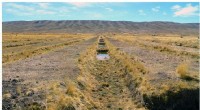
2. Altered Precipitation Patterns: Changes in rainfall patterns and water availability as a result of climate change can benefit certain invasive plant species. Some plants thrive in drier conditions, while others flourish in wetter environments, allowing them to expand their ranges.
3. Reduced Competition from Native Species: Climate change can negatively affect native plant species, making them more susceptible to competition from invasive plants. Stressed native plants may have reduced growth, diminished reproductive capacity, and increased vulnerability to pests and diseases, which can provide an advantage to invasive plants.
4. Disruption of Natural Defenses: Climate change can also compromise the natural defenses that native ecosystems employ against invasive plants. For instance, altered temperature and moisture conditions can reduce the effectiveness of natural herbivores, diseases, and predators that would otherwise limit the growth of invasive plants.
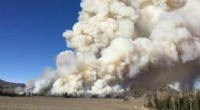
5. Disturbance Events: Events like wildfires, floods, droughts, and storms, which are becoming more frequent and severe due to climate change, can create disturbed habitats that favor the colonization and establishment of invasive plant species. These plants often disperse and grow rapidly in these disturbed areas.
6. Changed Soil Conditions: Alterations in soil temperature, moisture, and nutrient composition due to climate change can modify soil conditions, enabling invasive plant species to adapt and flourish in previously inhospitable environments.
7. Extended Growing Season: With warmer temperatures, the growing season in some regions gets longer, providing invasive plants with an extended window for growth and reproduction, giving them an advantage over native species that may have shorter growth cycles.
8. Altered Phenology: Climate change can disrupt the natural timing of events like flowering, seed dispersal, and germination in native plant species. This disruption in phenology can reduce their competitive ability against invasive plants that may have different phenological strategies better aligned with the changing climate.
9. Increased CO2 Levels: The rising levels of atmospheric carbon dioxide as a result of human activities can benefit invasive plant species that have higher photosynthetic rates and growth potential under elevated CO2 conditions.
10. Dispersal by Human Activities: Climate change can lead to increased human activities such as trade, travel, and agriculture, which can unintentionally transport and spread invasive plant seeds and propagules to new regions, aiding their establishment and spread.
In summary, climate change acts as a potent catalyst in the spread of invasive plant species by creating favorable environmental conditions, disrupting natural ecosystems, and altering the competitive dynamics between invasive plants and native species. Mitigating climate change and implementing effective management strategies are crucial for curbing the spread of invasive plants and preserving the biodiversity and integrity of ecosystems.