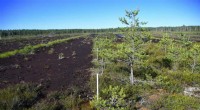
In many parts of the world, ghost ponds are disappearing due to a variety of factors, including climate change, land use change, and pollution. However, there are steps that can be taken to bring ghost ponds back from the dead.
1. Protect existing ghost ponds.
The first step to protecting ghost ponds is to identify and map them. This can be done using aerial photography, satellite imagery, or field surveys. Once ghost ponds have been identified, they can be protected through a variety of mechanisms, such as zoning, conservation easements, or land acquisition.
2. Restore degraded ghost ponds.
Degraded ghost ponds can be restored by removing invasive species, restoring native vegetation, and reintroducing water. In some cases, it may be necessary to use artificial means to rehydrate ghost ponds, such as by pumping water from a nearby source or using a rainwater harvesting system.
3. Create new ghost ponds.
New ghost ponds can be created by excavating shallow depressions in the ground or by installing impermeable liners in existing depressions. The new ghost ponds should be located in areas that are likely to receive water, such as in floodplains or near groundwater discharge zones.
By taking these steps, we can help to bring ghost ponds back from the dead and ensure that these important habitats are protected for future generations.
Here are some additional tips for bringing ghost ponds back from the dead:
* Work with local communities to identify and protect ghost ponds. Local residents are often the best stewards of their local environment and can provide valuable information about the location and condition of ghost ponds.
* Get involved in citizen science projects to monitor ghost ponds. This can help to collect data on the status and health of ghost ponds and identify trends over time.
* Support organizations that are working to protect and restore ghost ponds. There are a number of organizations that are working to protect and restore ghost ponds around the world. By supporting these organizations, you can help to ensure that these important habitats are protected for future generations.