Direct impacts
* Increased sediment input: Forest fires can remove vegetation that helps to hold soil in place, leading to increased erosion and sediment input into lakes. This can cloud the water, reduce light penetration, and clog fish gills.
* Nutrient enrichment: Forest fires can also release nutrients into the soil, which can be washed into lakes by rain and snowmelt. This can lead to algal blooms and eutrophication, a process that can deplete oxygen levels in the water and harm aquatic life.
* Increased water temperature: Forest fires can also reduce the amount of shade over lakes, leading to increased water temperatures. This can stress aquatic life and make them more susceptible to disease.
* Toxic chemicals: Forest fires can also release toxic chemicals into the air and water, which can harm aquatic life.
Indirect impacts
* Changes in hydrology: Forest fires can change the way water flows through a watershed, which can affect the amount of water that reaches lakes. This can lead to changes in lake levels and water quality.
* Loss of habitat: Forest fires can also destroy habitat for aquatic plants and animals, which can disrupt the food web and lead to changes in lake ecosystems.
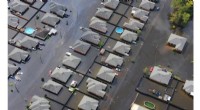
* Increased risk of flooding: Forest fires can also increase the risk of flooding, which can damage lake ecosystems and property.
The impacts of forest fires on lakes can vary depending on the size and severity of the fire, the type of vegetation that is burned, and the characteristics of the lake. However, forest fires can have a significant negative impact on lake ecosystems, and it is important to take steps to mitigate these impacts.