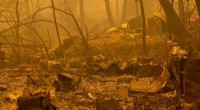
When a forest fire occurs, the intense heat causes plant matter and debris to burn, releasing essential nutrients back into the soil. These nutrients, such as nitrogen, phosphorus, and potassium, are crucial for plant growth and help to fertilize the soil, promoting the growth of new vegetation.
2. Seed Germination
Some plant species require specific conditions, such as heat or smoke, to break seed dormancy and trigger germination. Forest fires provide these conditions, allowing seeds that have been dormant for years to germinate and grow into new plants.
3. Natural Pruning
Forest fires can act as a natural thinning agent, removing dead, diseased, or weak trees while leaving healthy trees to thrive. This process reduces competition for resources such as water, sunlight, and nutrients, allowing the remaining trees to grow stronger and healthier.
4. Habitat Creation
Forest fires can create new habitats or modify existing ones, benefiting various species. For instance, burned areas can attract certain birds, insects, and animals that prefer open spaces or early successional habitats.
5. Ecosystem Reset
In cases of severe infestations, diseases, or overpopulation of certain species, a forest fire can act as a natural reset. It can eliminate harmful organisms and restore the balance of the ecosystem, allowing for the reestablishment of diverse flora and fauna.
It's important to note that while forest fires can have beneficial effects, they should not be viewed positively in all cases. Uncontrolled or extremely severe wildfires can cause extensive damage, loss of life, and environmental harm. Therefore, forest management practices aim to balance the potential benefits of fire with the risks and impacts on human communities and ecosystems.