There are many different types of floods, but the most common are:
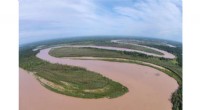
* River floods: These occur when a river overflows its banks, due to heavy rainfall or snowmelt.
* Flash floods: These occur when a large amount of rain falls in a short period of time, overwhelming drainage systems.
* Coastal floods: These occur when a storm surge from the ocean inundates coastal areas.
* Dam failures: These occur when a dam breaks, releasing a large amount of water downstream.
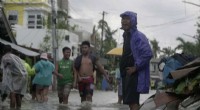
Floodwaters can be extremely dangerous, due to their power and velocity. They can sweep away people, cars, and buildings. Floodwaters can also contaminate drinking water supplies and spread disease.
The best way to protect yourself from floods is to be aware of the risk of flooding in your area and to take steps to mitigate that risk. This may include:
* Evacuating to higher ground if necessary.
* Storing emergency supplies in a safe place.
* Having a flood insurance policy.