New York City is one of the most vulnerable cities in the world to climate change. The city's low-lying geography and dense population make it particularly susceptible to the impacts of rising sea levels, extreme weather events, and other climate-related hazards.
Sea Level Rise
One of the most significant threats to New York City from climate change is sea level rise. The city's average elevation is only about 10 feet above sea level, and some parts of the city are even lower. As sea levels rise, these areas will become more vulnerable to flooding and storm surges.
In the past century, sea levels around New York City have risen by about 1 foot. By the end of the century, they are expected to rise by another 1-4 feet. This rise in sea levels will inundate low-lying areas of the city, including parts of Manhattan, Brooklyn, Queens, and Staten Island.
Flooding
Sea level rise will also lead to more frequent and severe flooding in New York City. The city's infrastructure is already struggling to cope with the current level of flooding, and it will be even more overwhelmed as sea levels rise.
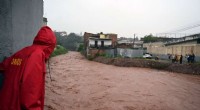
Flooding can cause damage to buildings and infrastructure, disrupt transportation and power supplies, and contaminate drinking water. It can also lead to the spread of disease and displacement of people from their homes.
Extreme Weather Events
Climate change is also leading to more extreme weather events, such as heat waves, droughts, and storms. These events can cause widespread damage and disruption, and they can also be deadly.
In recent years, New York City has been hit by a number of extreme weather events, including Hurricane Sandy, which caused an estimated $19 billion in damage in the city. The city has also experienced several heat waves, which have resulted in hundreds of deaths.
The Impact of Climate Change on New York City's Economy
Climate change is also having a significant impact on New York City's economy. The city's tourism industry is vulnerable to the impacts of extreme weather events, and the city's financial sector is at risk from the effects of sea level rise.
In a 2019 report, the New York City Panel on Climate Change estimated that the city could lose up to $90 billion in GDP by the end of the century due to climate change. The report also found that climate change could lead to the loss of up to 250,000 jobs in the city.
The City's Response to Climate Change
New York City is taking steps to adapt to the impacts of climate change. The city has implemented a number of green infrastructure projects, such as bioswales, green roofs, and permeable pavements, to help manage stormwater runoff and reduce flooding. The city is also working to fortify its infrastructure and build new flood barriers to protect against rising sea levels.
In addition, New York City is committed to reducing its greenhouse gas emissions. The city has set a goal of reducing emissions by 80% by 2050. The city is taking a number of steps to achieve this goal, such as investing in renewable energy, improving energy efficiency, and promoting walking and biking.
Climate change is a serious threat to New York City, but the city is taking steps to adapt and reduce its greenhouse gas emissions. By working together, we can build a more resilient city that is better prepared for the challenges of climate change.