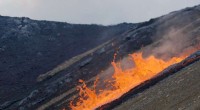
1. Evacuate When Ordered:
Don't ignore evacuation orders. Many fatalities occur when people choose to stay behind and face the brunt of a disaster. Always prioritize your safety and comply with evacuation mandates, even if the situation doesn't seem dire.
2. Stay Updated on Disaster News:
Stay informed by monitoring reliable sources of disaster news. This way, you'll have the latest updates and instructions on how to respond to the disaster. Ignoring or underestimating the severity of the situation can lead to deadly consequences.
3. Prepare Emergency Supplies:
Have an emergency preparedness kit ready with essential supplies, including non-perishable food, water, first-aid items, flashlights, and batteries. Ensure your kit is regularly stocked and easily accessible in case of emergencies.
4. Understand Disaster Risks:
Familiarize yourself with the types of disasters that are likely to occur in your region. Knowing the potential hazards can help you make informed decisions about safety precautions and evacuation plans.
5. Practice Disaster Response Drills:
Conduct regular practice drills with your family or household members to ensure everyone knows what to do during a disaster. Assign responsibilities, decide on a meeting point, and discuss how to respond to different scenarios.
6. Maintain Emergency Communication:
Have a way to communicate with loved ones and emergency services during and after a disaster. Keep a list of important phone numbers handy, and use text messaging if phone lines are congested.
7. Be Water-Wise:
Store a sufficient supply of safe drinking water during emergencies. Dehydration can be a significant health risk, especially in the aftermath of disasters.
8. Stay Away from Damaged Structures:
Avoid entering structurally compromised buildings or areas significantly damaged in a disaster. Damaged buildings pose a severe risk of collapse, potentially leading to injuries or fatalities.
9. Help Others Safely:
If possible, assist others in need during a disaster. However, prioritize your safety first and only provide aid if you're confident you can do so safely.
10. Learn from Past Disasters:
Pay attention to disaster stories and lessons learned from previous events. Studying the past can better prepare you for potential future disasters.
11. Respect Nature's Power:
Disasters often result from natural phenomena beyond human control. Respect nature's power, and avoid taking unnecessary risks during adverse weather or environmental conditions.
12. Be Mentally Prepared:
Disasters can have a significant psychological impact. Preparing mentally for the potential emotional challenges is just as essential as physical preparation.
13. Stay Informed about Safety Measures:
Listen to official advice and instructions provided by local authorities and emergency response agencies. They will provide crucial guidance on how to stay safe and manage the disaster.
14. Document Your Property:
Keep a record of your belongings, including photographs and receipts. This documentation can assist you in filing insurance claims later.
15. Practice Self-Reliance:
Develop basic survival skills, such as knowing how to start a fire without matches, administering basic first aid, and finding food and water in emergency situations.
Disasters can be devastating, but by learning from past lessons, staying prepared, and exercising caution, you can increase your chances of surviving and recovering from these devastating events. Always put your safety first, and remember that your knowledge and preparedness can save lives.