1. Sea Level Rise: As the Earth's climate warms, glaciers and ice sheets melt, leading to sea level rise. Monitoring how river water mixes with seawater is crucial for predicting future sea levels. Since rivers carry freshwater from land to the ocean, changes in the mixing patterns can influence sea level rise rates in coastal regions.
2. Salinity and Density: The mixing of river water and seawater affects the salinity and density of coastal waters. Changes in salinity can impact marine ecosystems, as many organisms are sensitive to specific salinity ranges. Density differences can influence ocean currents, which play a vital role in regulating climate patterns.
3. Ocean Circulation: River water discharge into the ocean influences ocean circulation patterns. When river water enters the sea, it creates density differences, leading to the formation of plumes and currents. These currents transport heat, nutrients, and other materials within the ocean, impacting global climate patterns and regional weather systems.
4. Coastal Erosion: The mixing of river water and seawater can contribute to coastal erosion. Freshwater input can reduce the sediment supply to coastal areas, making them more vulnerable to erosion. This erosion can damage coastal infrastructure, habitats, and communities, exacerbating the impacts of climate change.
5. Nutrient Loading: Rivers carry nutrients from the land into the ocean, which can stimulate phytoplankton growth and affect marine food webs. Changes in river discharge can alter nutrient inputs, potentially leading to harmful algal blooms, eutrophication, and disruption of marine ecosystems.
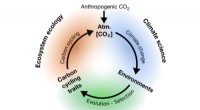
6. Carbon Sequestration: Coastal wetlands and mangroves associated with river deltas play a crucial role in carbon sequestration. By studying the mixing of river water and seawater, scientists can better understand how carbon is transported, stored, and released in these ecosystems, providing insights into carbon cycling in the context of climate change.
7. Paleoclimatology: Analyzing sediment cores from river deltas can provide valuable information about past climate conditions. The layers of sediment preserve clues about river flow rates, salinity levels, and other environmental parameters, allowing scientists to reconstruct past climates and study long-term climate patterns.
8. Climate Models: Improving our understanding of river-ocean mixing processes helps refine climate models. By incorporating accurate representations of these interactions, climate models can provide more reliable predictions of future climate scenarios and their impacts.
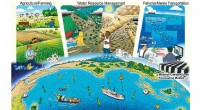
9. Adaptation Strategies: Insights gained from studying river-ocean mixing can support adaptation strategies for coastal communities facing climate change impacts. This knowledge can help decision-makers develop measures to mitigate sea-level rise, protect vulnerable habitats, and manage coastal resources sustainably.
In summary, studying river-ocean mixing is essential for understanding and mapping the impacts of climate change on coastal environments, sea levels, and global climate patterns. By gaining a comprehensive understanding of these processes, we can develop effective adaptation and management strategies to mitigate the consequences of climate change on coastal communities and ecosystems.