1. Risk Assessment and Mapping:
- Conduct thorough risk assessments to identify areas vulnerable to hurricanes and storm surge.
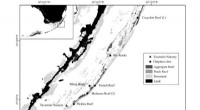
- Develop detailed maps showing forest stands at risk, including species composition and structural characteristics.
2. Forest Health and Resilience:
- Promote forest health by managing species composition, reducing overcrowding, and controlling invasive species.
- Encourage the growth of native, wind-resistant tree species that can withstand hurricane-force winds.
3. Buffer Zones and Green Infrastructure:
- Establish buffer zones of vegetation along coastlines and waterways to reduce the impact of storm surge and waves.
- Create green infrastructure networks that integrate forests, wetlands, and other natural features to enhance overall resilience.
4. Selective Thinning and Pruning:
- Thin forests selectively to reduce the risk of windthrow and improve forest structure.
- Prune trees to remove weak branches that could become projectiles during a hurricane.
5. Debris Management and Fuel Reduction:
- Regularly clear deadwood, fallen branches, and debris from the forest floor to minimize fuel for wildfires that may follow hurricanes.
- Implement prescribed burns to manage understory vegetation and reduce fuel loads.
6. Restoration and Reforestation:
- Restore degraded forests and replant areas affected by hurricanes using native, climate-resilient species.
- Prioritize the restoration of coastal mangrove forests, which provide natural buffers against storm surge.
7. Education and Community Engagement:
- Raise awareness among local communities about forest management practices that enhance hurricane resilience.
- Involve community members in forest management decision-making and tree planting initiatives.
8. Monitoring and Adaptive Management:
- Establish a monitoring program to track forest health, regeneration, and resilience after hurricanes.
- Continuously adapt management strategies based on monitoring results, research, and lessons learned from past events.
9. Collaboration and Partnerships:
- Collaborate with government agencies, non-governmental organizations, research institutions, and local stakeholders to develop and implement effective forest management plans.
- Foster partnerships that leverage expertise and resources for long-term forest management and resilience.
10. Legal and Policy Frameworks:
- Develop legal frameworks and policies that support sustainable forest management practices in hurricane impact zones.
- Ensure that zoning and land use regulations account for the importance of forests in disaster risk reduction.
By implementing these strategies, forest managers can enhance the resilience of forests in hurricane impact zones, mitigate the effects of storms, and contribute to the overall safety and well-being of coastal communities.