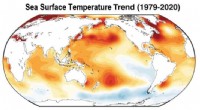
Global temperatures have been rising over the past century, primarily due to human activities such as the burning of fossil fuels. This has led to a warming of the atmosphere and oceans, which in turn can affect local climate conditions, including the formation of ice.
In general, warmer temperatures reduce the likelihood of ice formation and shorten the duration of ice cover. This is especially true in areas that are already close to the freezing point. For example, in regions where the average winter temperature is just a few degrees below freezing, a small increase in temperature could be enough to prevent ice from forming altogether.
In addition to the direct effects of temperature, climate change can also affect the formation of ice by altering precipitation patterns. In many regions, precipitation is becoming more intense but less frequent, with fewer days of light snow and more days of heavy rain. This can reduce the amount of snow available to form ice, especially in areas that rely on snowmelt to replenish water bodies.
Furthermore, climate change can lead to changes in wind patterns, which can influence the movement and thickness of ice. For example, stronger winds can break up ice sheets, while changes in the direction of wind can cause ice to accumulate in certain areas and melt in others.
While the exact impacts of climate change on winter ice cover will vary by location, it is likely that many regions will experience a decrease in the frequency and duration of ice cover in the future. This could have implications for ecosystems and human activities that depend on ice, such as ice fishing and winter recreation.