Red tide refers to a harmful algal bloom (HAB) that occurs when certain types of microscopic algae multiply rapidly and accumulate in coastal waters, discoloring the water with a red or brown hue. These algae produce toxins that can have harmful effects on marine life, humans, and the overall ecosystem.
Key Points about Red Tide:
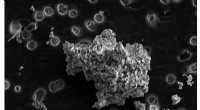
1. Microscopic Algae: Red tide is caused by a bloom of microscopic algae called dinoflagellates. These algae are naturally present in low concentrations in marine waters, but under favorable conditions, they can undergo rapid growth and multiplication, leading to a bloom.
2. Toxins: Some species of dinoflagellates produce potent toxins that can accumulate in the water and marine organisms. These toxins can affect both marine life and human health.
3. Impacts on Marine Life: Red tides can have devastating effects on marine ecosystems. The toxins produced by the algae can cause fish kills, shellfish poisoning, and other adverse impacts on marine organisms, including corals, sea turtles, and marine mammals.
4. Human Health Concerns: Red tides can also pose risks to human health through contaminated seafood and exposure to toxins through the air. Consuming shellfish that have accumulated red tide toxins can cause symptoms such as gastrointestinal distress, respiratory irritation, and neurological issues.
5. Monitoring and Management: Red tides are challenging to predict and control. Regular water quality monitoring is essential for detecting and tracking blooms. Management strategies focus on limiting exposure, public awareness, and research to understand the factors influencing bloom formation.
6. Geographic Variability: Red tide occurrences vary geographically. Certain coastal areas are more prone to these blooms due to specific environmental conditions, including nutrient enrichment from land-based sources and favorable water temperature and currents.
7. Ecological Imbalances: Red tides can be exacerbated by human activities that contribute to nutrient enrichment, such as excessive fertilizer use and runoff from agricultural areas. Maintaining ecological balance and reducing nutrient pollution are important in mitigating red tide events.
8. Public Health Advisories: During red tide events, public health advisories may be issued to warn individuals about potential health risks associated with contaminated seafood and exposure to toxins in the air.
9. Research and Mitigation: Ongoing research aims to better understand the dynamics of red tide blooms and develop strategies for prediction and mitigation. This includes advancements in monitoring technologies, ecological modeling, and management approaches.
In conclusion, red tide refers to a bloom of harmful algae that can have detrimental impacts on marine ecosystems and human health. Understanding and managing red tides require collaborative efforts among scientists, policymakers, and the public to address the complex interactions between environmental factors and ecological processes.